
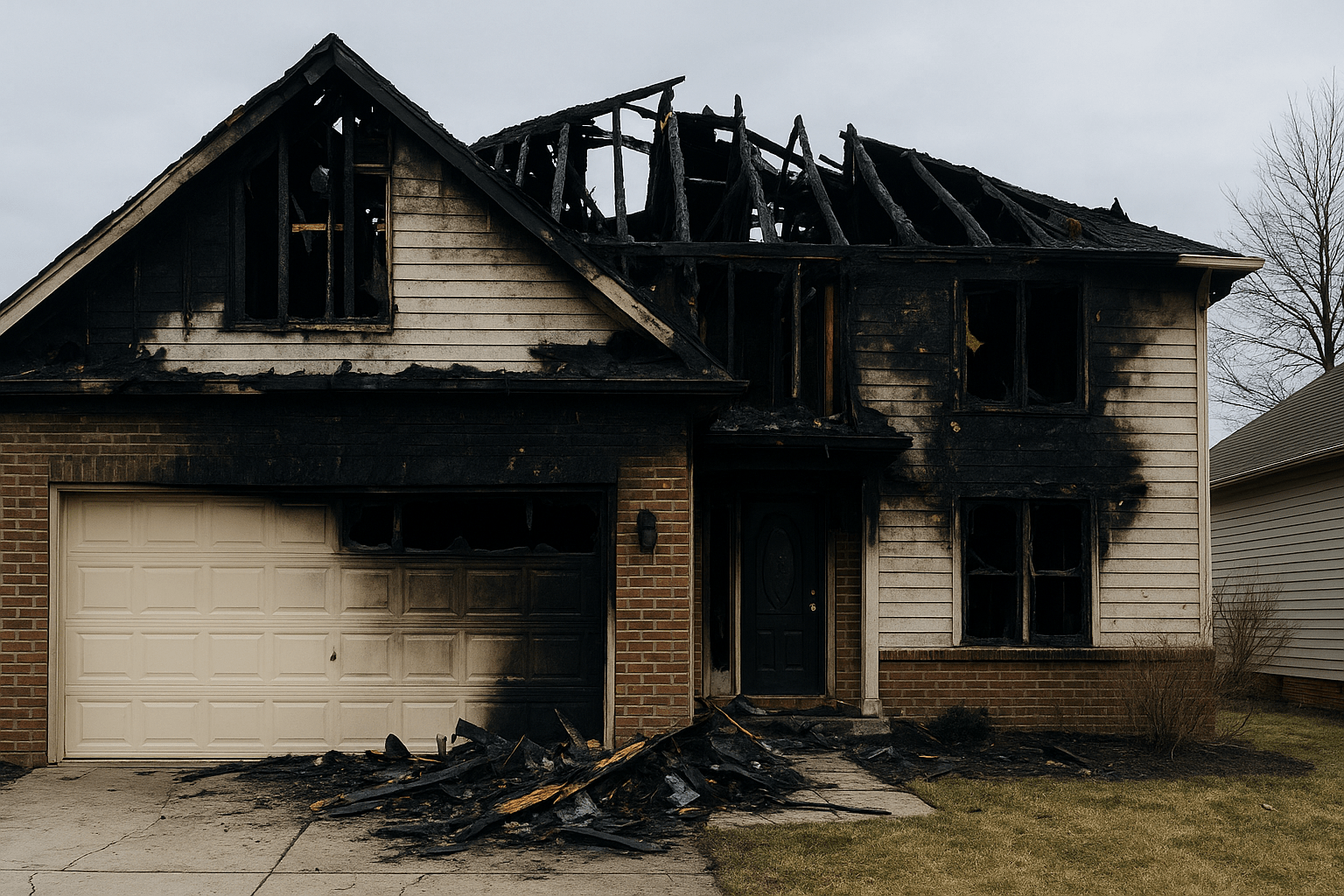
Quick Answers: What Most Sellers Ask First
- Can I sell during an active insurance claim? Yes. Coordinate with your lender and insurer for endorsements; closing typically pays liens first, then you.
- Do buyers really purchase as-is after a fire? Yes. We buy in any condition and handle cleanup, permits, and timelines post-closing.
- Will I net less selling as-is? Not always. When repairs exceed ~20–30% of ARV and timelines stretch 3–9+ months, an as-is sale can produce a competitive net by eliminating carrying costs, scope creep, and buyer fallout.
- What if code enforcement posted “unsafe to occupy”? You can still sell. Experienced buyers accept violations and manage remediation with the city.
- Is ALE (temporary housing) available? If your policy includes Loss of Use, ALE can cover housing and necessary extra expenses while the home is uninhabitable.
Table of Contents
- First 48 Hours: Safety, Securing, Documentation
- Insurance Basics 2025: ACV/RCV, ALE, Code Upgrades
- Your Policyholder Rights
- The Math: Repair-to-List vs. Sell As-Is
- All Ways to Sell After Damage
- Lenders, Liens & Claim Checks
- Permits, Code Enforcement & Habitability
- Disclosures & Inspections When Listing
- Taxes & Disaster Relief (Overview)
- Timelines You Can Actually Count On
- State-by-State Notes & Resources
- FAQs
- Free Cash Offer (No Obligation)
First 48 Hours: Safety, Securing, and Documentation
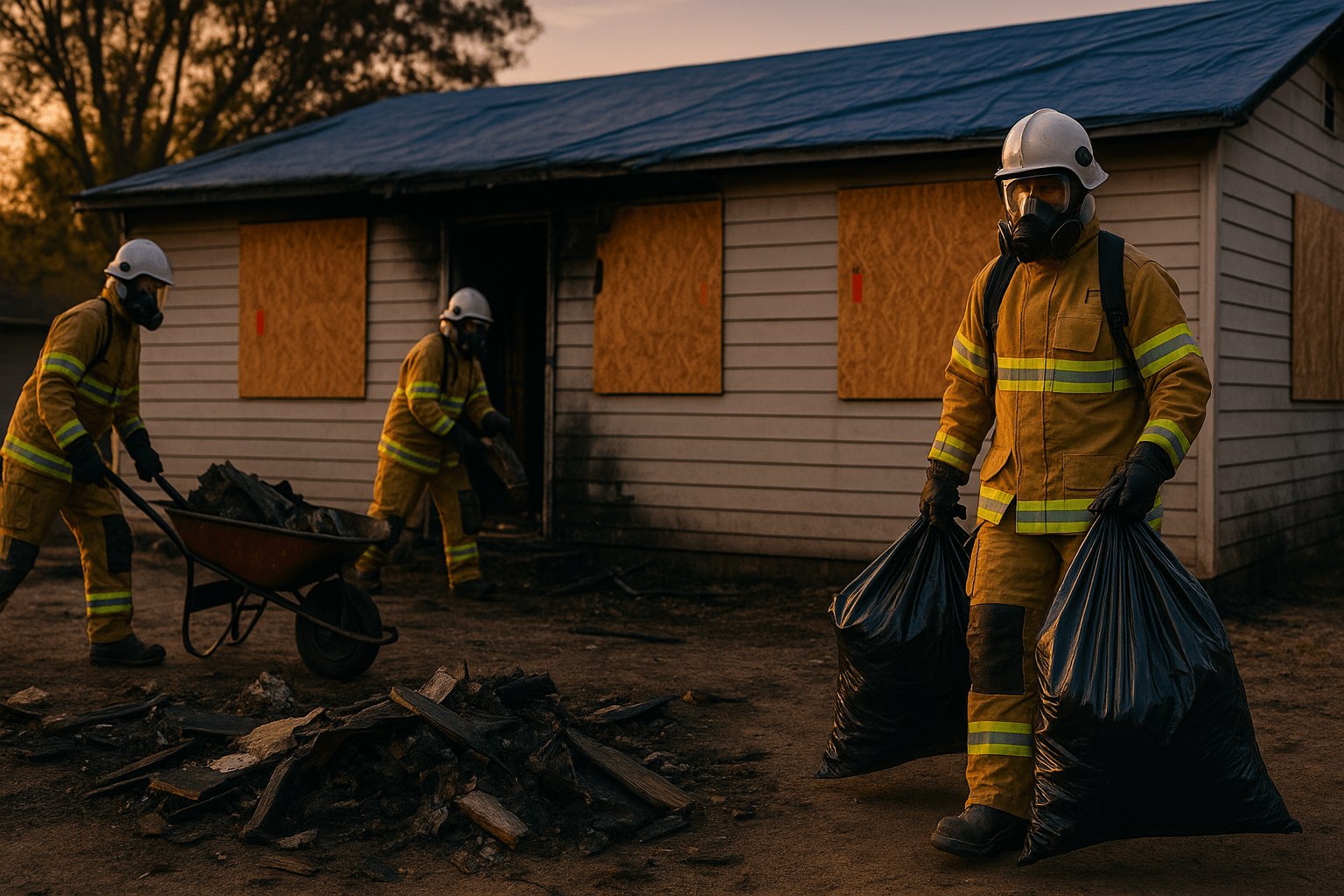
1) Prioritize safety
- Enter only after authorities say it’s safe; watch for structural instability and electrical hazards.
- Turn off utilities until cleared by licensed pros.
- Use PPE: gloves, mask/respirator (soot & ash), protective footwear.
2) Secure & mitigate
- Board openings, tarp the roof, and dry out water to fight mold.
- Save receipts—mitigation is often reimbursable.
3) Document early
- Photo/video every room before cleanup; capture serial numbers where possible.
- Inventory damaged personal property with approximate values.
- Collect your policy, mortgage, and prior permits/repairs.
Related reading: The Hidden Costs of Waiting to Sell Your House in 2025 · Rural Properties: Wells & Septic (2025 Guide)
Insurance Basics (2025): ACV vs. RCV, ALE, Code/Ordinance
Every policy is different, but these concepts are common across homeowner’s policies and are essential to understand before deciding to repair or sell:
- ACV vs. RCV: Actual Cash Value pays today’s depreciated value. Replacement Cost Value reimburses the cost to rebuild with like kind/quality. Many RCV policies pay ACV first and release recoverable depreciation after proof of completion.
- Deductibles: Fixed or percentage; wind/hail & named storm deductibles may be higher in certain states.
- Code/Ordinance Coverage: Helps with required upgrades to meet current code; frequently sub-limited (e.g., 10%, 25%, or a dollar cap).
- ALE (Loss of Use): Temporary housing and necessary extra expenses while the home is uninhabitable due to a covered loss.
- Exclusions & Sublimits: Items like electronics, jewelry, outbuildings, landscaping, and smoke/soot cleanup can have special limits.
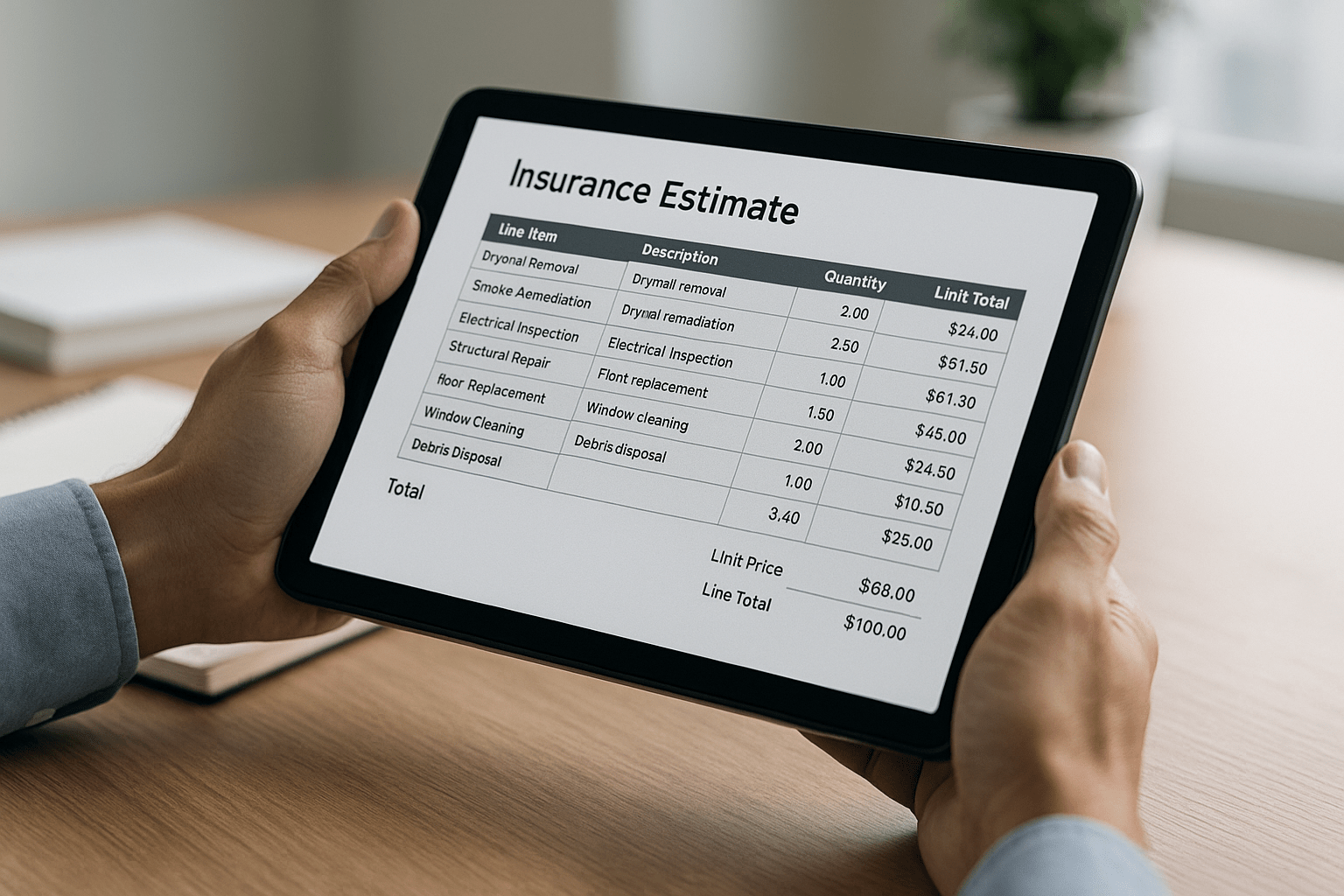
Your Rights as a Policyholder
What you can usually do
- Choose licensed contractors and mitigation firms—you control the selection.
- Request re-inspections and submit additional evidence if scope is incomplete.
- Invoke policy dispute mechanisms such as appraisal and, where stated, an umpire.
- Receive ALE when triggered under a covered loss.
- Expect timely communication and fair handling under applicable regulations.
What to watch for
- Hidden damage: framing, electrical, smoke in cavities.
- Non-recoverable depreciation vs. recoverable depreciation.
- Proof-of-loss and completion deadlines.
- Assignments/third-party agreements—know your obligations.
This section is general education, not legal advice. Rights vary by policy and state. Consult a licensed public adjuster or attorney when needed.
The Math: Repair-to-List vs. Sell As-Is
Here’s a practical way to estimate net outcomes without spreadsheets:
| Factor | Repair & List (Traditional) | Sell As-Is (Investor) |
|---|---|---|
| Cash Needed | High: deductible, mitigation, draws, overages, code upgrades, staging | Low: $0 in repairs; buyer handles cleanup & permits |
| Time to Close | 3–9+ months (permits, bids, inspections) | 7–21 days common; you pick the date |
| Risk | Scope creep, buyer financing/appraisal issues | Cash purchase; no appraisal or repair contingency |
| Carrying Costs | Taxes, insurance, utilities, interest, ALE limits | Minimal due to speed; no showings or repairs |
| Net Proceeds | Potentially higher if everything goes right | Often competitive when factoring avoided costs & time |
All the Ways to Sell After Fire/Storm/Water/Mold Damage
1) Sell As-Is to a Cash Buyer (Fastest)
We purchase across the U.S.—request a cash offer, choose your closing date, and leave unwanted items behind. We coordinate with your insurer and lender as needed, even during an active claim.
2) Repair & List with an Agent
Best when damage is modest and your timeline is flexible. Budget for change orders and re-inspections; expect appraisal scrutiny and buyer requests for credits.
3) Stabilize, Then Sell
Do mitigation/demolition and rough-in to reduce perceived risk; then sell to investors or end-buyers who finish.
4) Demolish & Sell the Lot
In severe losses or when code requires, selling land can be clean and quick. Consider local demand and holding costs.
Lenders, Liens, and Insurance Checks
- Mortgage holders are typically loss payees; their endorsement may be required on checks.
- At closing, liens (including your mortgage) are paid first; remaining proceeds go to you per the settlement statement.
- If claim funds are escrowed by your lender, coordinate releases per your chosen path (repair vs. sell).
Permits, Code Enforcement & Habitability
After fire or major damage, cities may post unsafe to occupy until remediation and inspections are complete.
- Permits for demo, structural, electrical, roofing, plumbing/HVAC.
- Possible asbestos/lead testing for older homes prior to disturbance.
- Final inspections and Certificate of Occupancy (or equivalent) required to re-occupy.
Selling as-is transfers compliance to the buyer—no more contractor wrangling or inspection scheduling for you.
Disclosures & Inspections If You List
Traditional buyers expect thorough disclosure and will likely order multiple inspections. You’ll typically disclose:
- Known fire/smoke events and water damage from suppression.
- Open permits, code violations, and any remediation plans.
- Repair dates, contractors, and receipts/warranties where available.
Investors buy with awareness, reducing renegotiations and the risk of falling out of contract.
Taxes & Disaster Relief (High-Level)
Tax treatment varies by state and whether a disaster is federally declared. Discuss these with a CPA:
- Casualty loss deductions and how insurance proceeds affect basis.
- Capital gains on sale vs. reinvestment strategies.
- Property tax relief and reassessment options in disaster areas.
We’re not tax advisors; consult a licensed professional. We can still purchase as-is while you plan your tax strategy.
Timelines You Can Actually Count On
Sell This Month
- 7–21 day cash close
- No repairs, no showings
- Flexible move-out/post-possession
Sell in ~60–90 Days
- Mitigation + investor sale
- Clear violations & stabilize
- Coordinate with claim & lender
Repair & List (3–9+ Months)
- Permits, draws, inspections
- Contractor lead times
- Market-dependent pricing
State-by-State Notes & Resources
Florida
Common: wind/hail, named storms, and higher % deductibles. Code upgrades and roof rules are frequent cost drivers. See Florida page.
Georgia
Wildfire smoke and summer storms lead to soot/water mix claims. Appraisal/umpire provisions vary by policy. See Georgia page.
Indiana
Lightning & electrical fires plus winter freeze/burst risk. Check code/ordinance limits for older housing stock. See Indiana page.
Minnesota
Winter freeze and ice dams complicate smoke/water remediation. Roof and attic ventilation standards matter. See Minnesota page.
Ohio
Wind and electrical fires are common. Municipal point-of-sale inspections may apply. See Ohio page.
Texas
Hail and wind drive roof claims; named storm deductibles and contractor availability affect timelines. See Texas page.
Illinois
Older housing stock = potential lead/asbestos testing during demo. See Illinois page.
North Carolina
Coastal wind/water + inland storms; verify flood exclusions and ALE duration. See North Carolina page.
Michigan
Freeze/thaw cycles and basement water intrusions complicate smoke recovery. See Michigan page.
FAQs: Selling a Fire-Damaged or Major-Damage Home
Can I sell before the claim is finished?
Do I have to disclose the fire if I list with an agent?
What if my policy only pays ACV?
Can you buy with heavy smoke contamination or structural issues?
What about code violations or a condemned notice?
How fast can I close?
Will my mortgage be paid off at closing?
Get an As-Is Cash Offer (No Clean-Up, No Repairs)
We buy houses in all 50 states in any condition—fire, smoke, storm, water, or mold damage. Choose your closing date and leave unwanted items behind.
Prefer to talk? Call 1-800-858-0588. No obligations.
Where We Buy & Internal Resources
We purchase nationwide, with strong coverage in these priorities:
Disclaimer: This 2025 guide is educational, not legal, tax, or insurance advice. Policies and laws vary by state and can change. Always review your policy and consult licensed professionals. Local Home Buyers USA is a private buyer and not affiliated with your insurer or any government agency.
Last updated: September 20, 2025.